The 10 Hottest Places in Portugal
Published: 28 Mar 2026
The 10 hottest places in Portugal. Portugal consistently ranks among Europe’s sunniest and hottest countries, but the headline beach temperatures you see in travel brochures only tell part of the story. Venture inland, into the ancient plains of the Alentejo, the dramatic valleys of the Douro, or the dusty heartlands of the Centro region, and you encounter heat that rivals the Sahara.
Official records from Portugal’s meteorological authority, IPMA, confirm temperatures that have repeatedly broken the 46°C (115°F) barrier, and one iconic village has pushed the national thermometer to a staggering 47.4°C (117.3°F).
Whether you’re planning a trip, fascinated by extreme weather, or writing about Portugal’s climate, this comprehensive guide covers the 10 hottest places in Portugal, ranked by their official all-time record temperatures and supported by climate data. Each destination is explored for its geography, character, and what makes it uniquely, unforgettably hot.
Table of Contents
10 Hottest Places in Portugal
Portugal’s most extreme heat is concentrated in inland regions where the Atlantic Ocean’s moderating influence simply cannot reach. The country’s interior experiences a continental Mediterranean climate: summers are long, bone-dry, and searingly hot, with little cloud cover and relentless sunshine lasting 12 or more hours a day. The following 10 destinations represent Portugal’s most extreme heat, ranked by their official all-time record temperatures.
Amareleja – Alentejo Region | Record: 47.4°C (117.3°F)
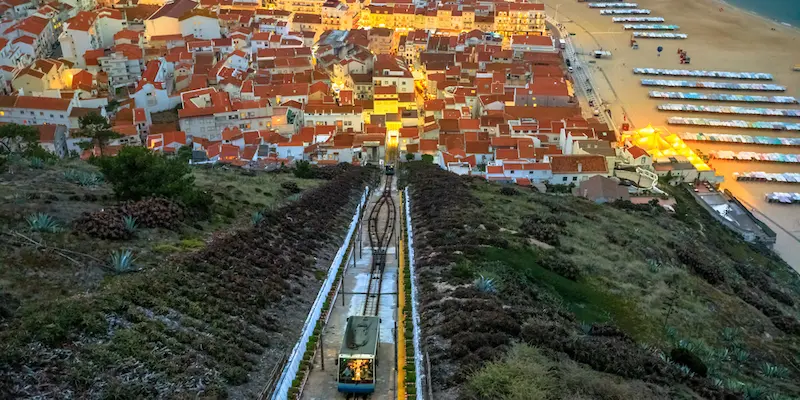
Amareleja is the undisputed hottest place in Portugal — and one of the hottest places ever recorded in Europe. This quiet village in the Moura municipality of the Alentejo set the national temperature record of 47.4°C (117.3°F) on August 1, 2003, during the catastrophic heatwave that killed tens of thousands across the continent. Even in a typical summer, Amareleja routinely bakes above 42°C (107.6°F) through July and August, and heatwaves of six days or more are common.
The geography here is a masterclass in heat accumulation: flat, treeless plains with pale clay soils that absorb and radiate heat; no nearby hills to channel cooling air; and a position far from any coastal influence. Amareleja is surrounded by cork oak, olive groves, and golden cereal fields that shimmer in the summer haze.
Its whitewashed houses follow centuries-old design logic — thick walls, small windows, south-facing doorways — all built to survive the furnace-like summers. It’s an authentic, living response to extreme heat, and visiting it is a genuinely memorable experience for anyone interested in climate, architecture, or the raw beauty of the Alentejo.
Pinhão – Norte Region | Record: 47.0°C (116.6°F)
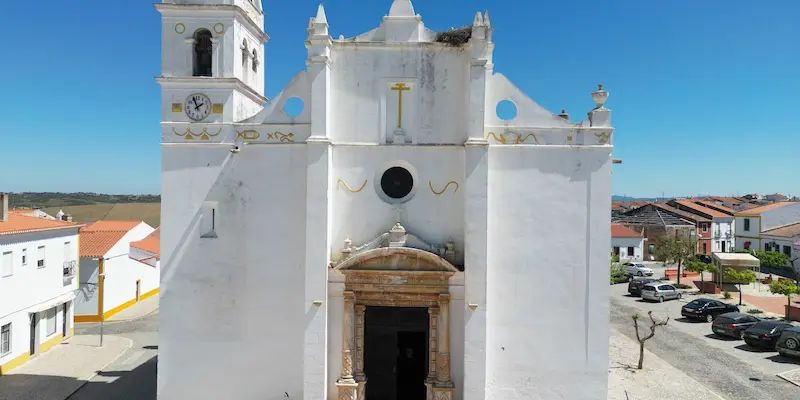
Pinhão, nestled at the confluence of the Douro and Pinhão rivers in the northern wine country, holds Portugal’s second-highest temperature record: 47.0°C (116.6°F), recorded on July 14, 2022, making it the highest July temperature ever recorded in mainland Portugal. In August 2023, Pinhão again topped the national charts, reaching 45.6°C. The town is anything but a typical heat destination — it is picture-postcard beautiful, with famous azulejo-tiled train station panels, steep vine-covered schist terraces, and the sparkling Douro winding below.
The Douro Valley’s dramatic topography creates an almost perfect heat trap. The deep, steep-sided valley walls block prevailing winds and funnel solar radiation onto the valley floor, where temperatures climb far above surrounding areas.
This same extreme microclimate is precisely what allows the vines to produce the concentrated, sun-stressed grapes that make Port and Douro wines so extraordinary. Wine tourism, scenic boat cruises, and vintage steam train rides make Pinhão one of Portugal’s most rewarding destinations — but summer visitors should plan all outdoor activities for the early morning or evening.
Viana do Alentejo – Alentejo Region | Record: 47.0°C (116.6°F)
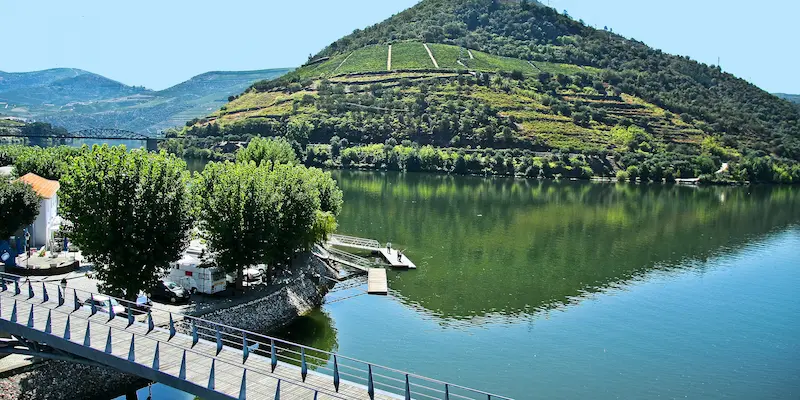
Sharing the second-place record with Pinhão, Viana do Alentejo also reached 47.0°C (116.6°F) — but did so nearly two decades earlier, on August 1, 2003, the same catastrophic day that Amareleja set its national record. Located in the District of Évora, this small fortified town sits deep in the Alentejo plains, where continental heat builds unchecked throughout summer.
Viana do Alentejo punches far above its size in historical terms. Its extraordinary late-Gothic and Manueline church is integrated directly into the walls of the medieval castle — a combination that exists nowhere else in Portugal. The town also houses the Marian shrine of Our Lady of Aparecida, a major pilgrimage site. Despite summer temperatures that can make outdoor sightseeing challenging, the town’s narrow, shaded streets and traditional architecture offer pockets of relief. It’s a perfect destination for those who want to experience authentic, unhurried Alentejo life alongside genuinely extreme Iberian heat.
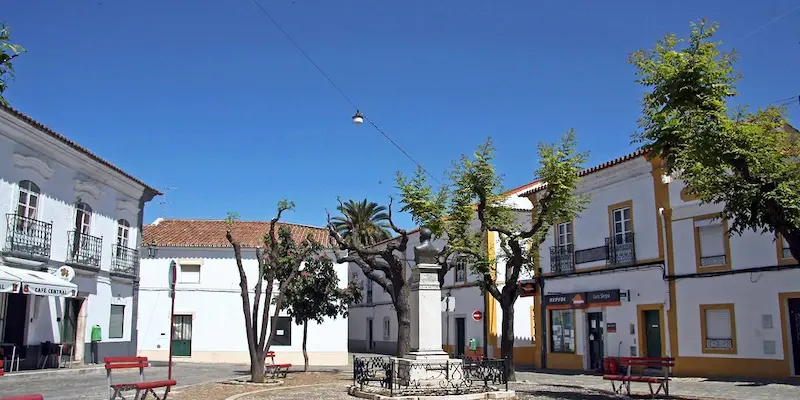
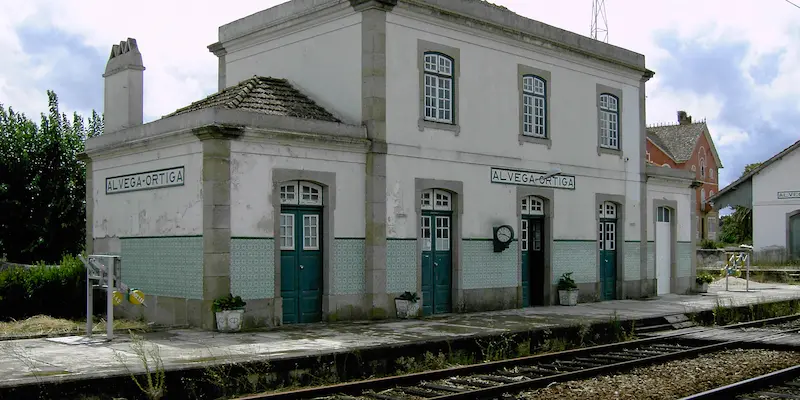
Alvega – Centro Region | Record: 46.8 °C (116.2 °F)
Alvega, a small parish in Abrantes municipality on the banks of the Tagus River, hit an incredible 46.8°C (116.2°F) on August 4, 2018 — just 0.6°C from Amareleja’s national record. That same summer, Alvega also experienced one of the largest temperature swings ever recorded in Portugal, with a nighttime reading of just 10.9°C (51.6°F) on July 10, 2021, and its daytime maximum soaring all the way to 42.1°C (107.8°F), for an over 31°C difference in a single day!
Alvega’s position at the confluence of the Tagus and Lampreia rivers places it in a natural heat bowl. The surrounding Tagus floodplain offers no topographic barrier to the summer sun, and the region’s distance from both the Atlantic and Mediterranean means no marine air masses can moderate its temperatures. Despite its small size and relatively low tourism profile, the Abrantes region offers interesting historical sites, including a 14th-century castle, medieval churches, and riverside walks that are particularly pleasant in the cooler shoulder seasons.
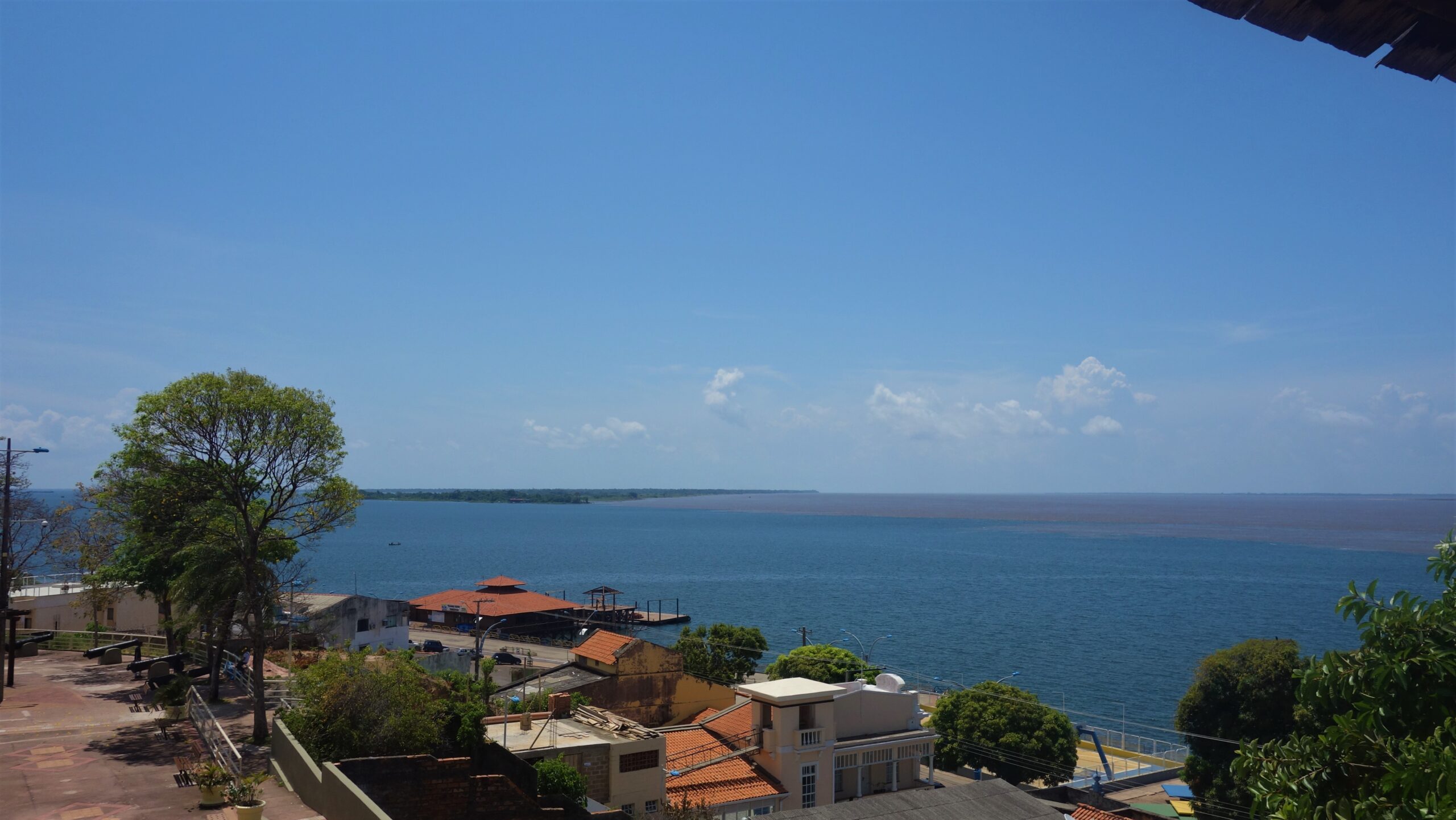
Santarém – Lisboa Region | Record: 46.3°C (115.3°F)
Santarém, one of Portugal’s oldest and most historically significant cities, recorded 46.3°C (115.3°F) on August 4, 2018 — the same blistering heatwave day that broke records across the country. Known as the “Gothic Capital of Portugal” for its extraordinary density of medieval architecture, Santarém sits on an elevated plateau above the Tagus River, approximately 65 kilometres northeast of Lisbon. Its inland position shields it from the Atlantic breezes that moderate temperatures along the coast.
Despite its heat, Santarém is one of Portugal’s most rewarding destinations for architectural and cultural tourism. The city is home to over 20 churches, convents, and monasteries, many featuring exquisite Gothic and Manueline stonework.
The famous “Janela do Mundo” viewpoint offers sweeping panoramas over the Tagus plains — those same flat, sunbaked fields that contribute to the region’s extreme summer temperatures. The city’s famous National Agricultural Fair in June marks the beginning of Portugal’s heat season and is one of the country’s most beloved rural festivals.
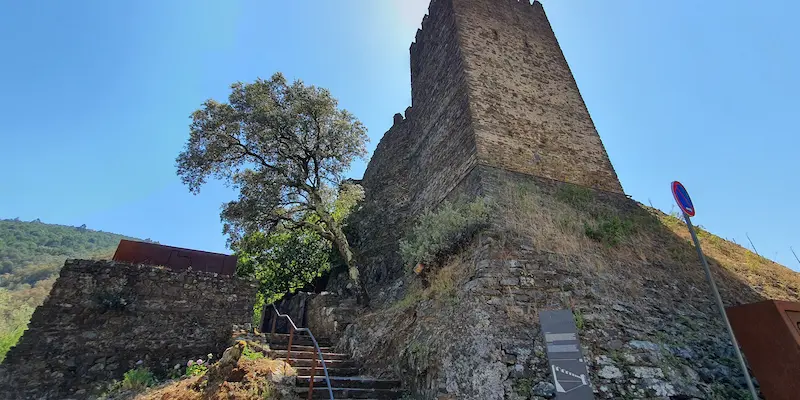
Lousã – Centro Region | Record: 46.3°C (115.3°F)
Lousã shares fifth place with Santarém but set its record later, reaching 46.3°C (115.3°F) on July 13, 2022, during the devastating summer heatwave that year. Lousã’s appearance is deceptive — surrounded by the lush Serra da Lousã mountain range with dense pine and eucalyptus forests, it looks nothing like a heat record-holder. Yet the Lousã valley functions as a natural solar collector during summer anticyclones, trapping hot air between its hillsides and sending valley temperatures soaring.
Beyond its climate extremes, Lousã is a fascinating destination. The nearby schist village of Talasnal, perched dramatically on a hillside and largely restored from ruin, is one of the most atmospheric villages in central Portugal. Natural swimming pools fed by cold mountain streams offer a glorious contrast to the valley heat, and the area’s medieval castle and 18th-century manor houses add historical depth. Lousã perfectly illustrates how dramatically Portuguese inland temperatures can diverge from the cooler, wetter reputation of the country’s Centro region.
Alcácer do Sal – Alentejo Region | Record: 46.2°C (115.2°F)
Alcácer do Sal, one of Portugal’s oldest continuously inhabited towns with over 3,000 years of documented history, reached 46.2°C (115.2°F) on August 4, 2018. Situated on the Sado River in the lower Alentejo, the town sits at the point where the arid Alentejo plains approach the coast — close enough to the ocean to offer occasional breezes, but far enough inland to still suffer the full force of summer continental heat.
Alcácer do Sal is most famous historically for its salt production — “Sal” in the name literally means salt — and the town’s riverside salt pans have been harvested since antiquity. The Moorish castle above the town, converted into a pousada (historic hotel), offers stunning views over the Sado estuary and its vast wetlands.
Flamingos and other wading birds inhabit the shallow lagoons below, creating a striking juxtaposition of wildlife thriving amid brutal summer heat. The town’s riverside promenade, lined with terrace cafes, is one of the most pleasant places in the Alentejo to watch the sunset during summer evenings.
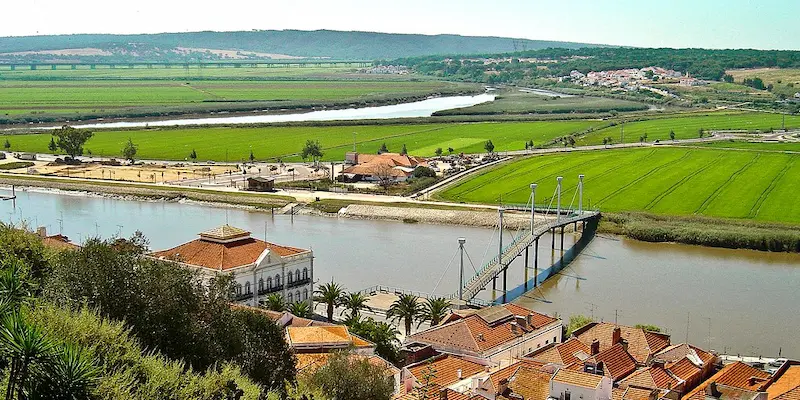
Coruche – Alentejo Region | Record: 46.1°C (115.0°F)
Coruche, a quiet agricultural town on the Sorraia River in the Alentejo, reached 46.1°C (115.0°F) on August 4, 2018, tied with Alvalade on the same extraordinary day. Coruche sits in the flat Ribatejo plains — a landscape of rice fields, cork oaks, and bull-breeding farms — where the summer heat accumulates without relief. The Sorraia River and its surrounding wetlands are a designated nature reserve and home to rare bird species, including the critically endangered White-headed Duck.
Coruche is perhaps best known in Portugal for its cork industry: the surrounding region produces some of the world’s finest cork oak bark, and the town has a dedicated cork museum celebrating this ancient and ecologically vital trade.
The blistering heat of summer is, in fact, critical to the cork harvest — in June and July, the bark is stripped from living trees, with high temperatures making the process safer and more efficient. This makes Coruche an intriguing stop for anyone interested in traditional crafts, sustainable agriculture, and the close relationship between Portugal’s extreme climate and its cultural identity.
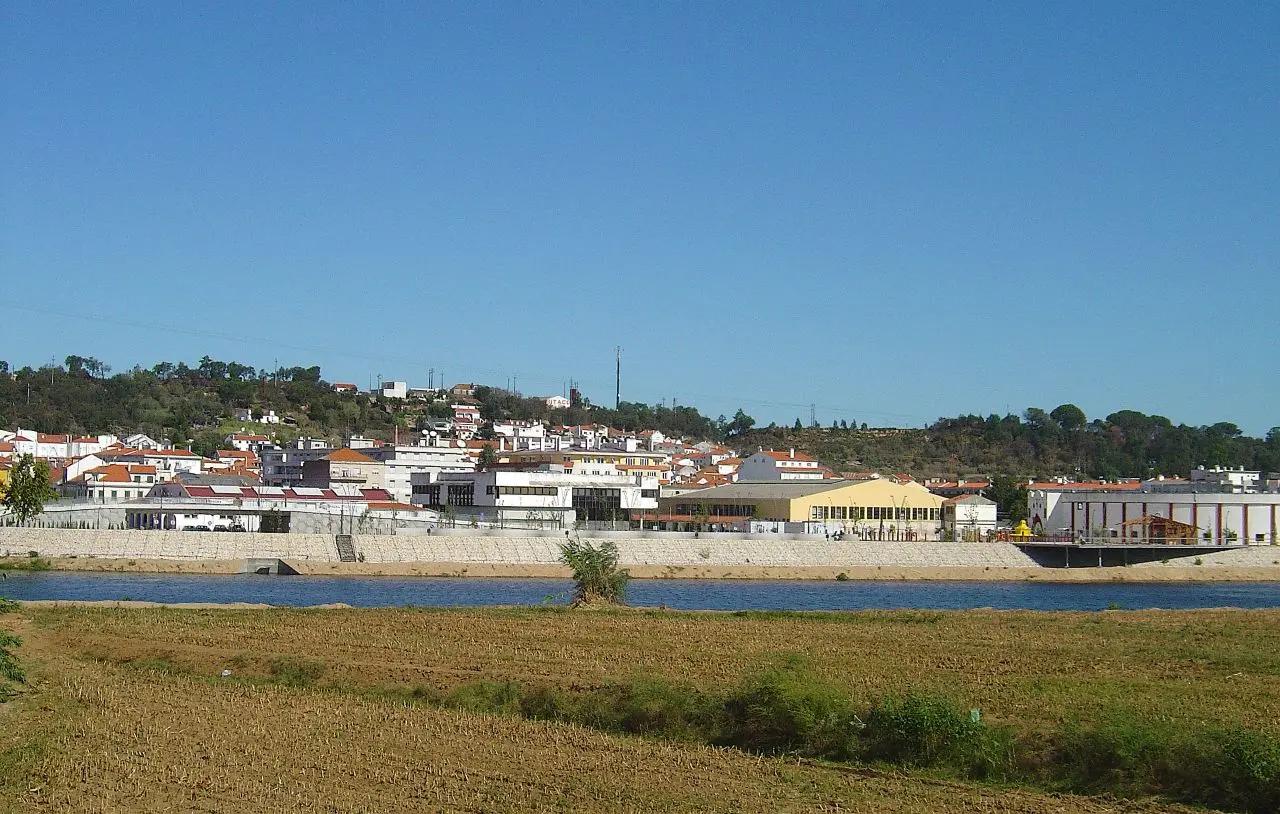
Alvalade – Alentejo Region | 46.1°C (115.0°F)
Also tied with Coruche is Alvalade, a small parish in the Santiago do Cacém municipality of the region of the Alentejo, which measured 46.1 °C (115.0 °F) on August 4, 2018. Set in the rolling plains of the lower Alentejo, Alvalade is a beautifully preserved 18th-century planned village — one of the best examples of Pombaline urban planning outside of Lisbon, built after the devastating 1755 earthquake. Its perfectly symmetrical grid of whitewashed houses, central church, and public square stands in remarkable contrast to the organic medieval layout of most Portuguese villages.
The area around Alvalade is characterized by agricultural estates (montes), cork oak woodlands, and the wide plains of the São Tiago do Cacém district. The Mira River passes nearby, and the surrounding landscape is part of the Costa Vicentina natural park system, which extends to the wild Atlantic coast to the west. Despite its proximity to the ocean, Alvalade’s inland position ensures it experiences the full heat of Alentejo summers. The village’s architecture, calm ambience, and historic integrity (it was left alone during the 20th century) render it one of the more undervalued stops on any Alentejo loop.
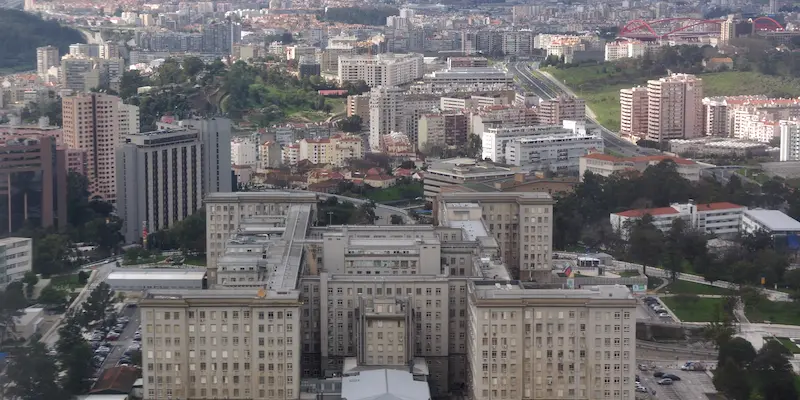
Pegões – Setúbal District | Record: 46.0 °C (114.8 °F)
In the 10th position, we have Pegões, a parish in the municipality of Montijo in Setúbal District that registered 46.0°C (114.8°F) also on August 4, 2018. Pegões is situated on the Arrábida-Alcácer plain south of Lisbon, at the northern fringe of the Alentejo climate zone. Its position — far enough from the coast to escape marine cooling, yet within easy reach of Lisbon — makes it one of the most accessible of Portugal’s heat-record locations.
Pegões is best known in Portuguese wine culture as a major wine-producing municipality, home to one of the country’s most prominent wine cooperatives. The area’s sandy soils, abundant sunshine, and summer heat make it ideal for viticulture, and its wines have earned increasing recognition in recent decades. The nearby Reserva Natural do Estuário do Sado and the scenic town of Palmela — crowned by a magnificent Templar castle — make Pegões a natural base for exploring the Setúbal Peninsula, one of Lisbon’s most rewarding day-trip destinations.
Frequently Asked Questions (FAQs)
What is the single hottest place ever recorded in Portugal?
Amareleja, in the Alentejo region, holds Portugal’s all-time heat record of 47.4°C (117.3°F), set on August 1, 2003, during the catastrophic European heatwave. This figure places Amareleja among the hottest temperatures ever officially recorded anywhere in Europe, rivalling locations in Spain and Greece. Even outside of record-breaking events, Amareleja consistently experiences the highest average summer temperatures in the country.
Why are Portugal’s hottest places almost all inland?
Portugal’s coastal areas benefit enormously from Atlantic Ocean breezes, which keep maximum temperatures moderate — typically 25–35°C (77–95°F) even in peak summer. Inland regions lack this natural air conditioning entirely. The further from the coast, the more a location experiences a true continental climate: intense solar radiation heats dry land rapidly, valley topography traps hot air, low rainfall means no evaporative cooling from vegetation or soil, and anticyclonic summer weather patterns suppress cloud formation and trap heat for days or weeks at a time.
When do Portugal’s hottest places reach their peak temperatures?
Peak hot temperatures in Portugal’s interior are reached between mid-July and mid-August, when extreme heat days usually correspond to events of the Atlantic anticyclones that prevent the entry of colder air masses over the Iberian Peninsula. One of the most remarkable single days in Portuguese meteorological history occurred on August 4, 2018, when at least seven individual places recorded all-time maximum temperatures simultaneously. The heatwave seasons of 2022 and 2023 were remarkable too, with Pinhão breaking a July record at that time in 2022 and Alvega and Pinhão again leading the national records in August 2023.
Can these scorching visitors be safely seen in summer?
Visiting Portugal’s hottest inland areas in summer is entirely feasible if you take sensible precautions. Carry at least 2–3 litres of water per person per day, wear light-coloured and lightweight clothing, apply SPF 50+ sunscreen every two hours, and plan outdoor activities for before 11 AM or after 5 PM. Monitor IPMA’s daily heat warnings online before and during your trip. People with cardiovascular conditions, respiratory problems, or heat sensitivity should consult a doctor before visiting, and should avoid outdoor exertion during heatwave events. Always have a shaded, cool retreat available — most Alentejo towns have cafes and churches that remain cool.
Do any of Portugal’s hottest places also offer great tourist attractions?
Absolutely. Several of Portugal’s hottest locations are also among its most historically and naturally rich destinations. Pinhão is world-famous for its Port wine and Douro Valley scenery. Santarém is the Gothic capital of Portugal, packed with medieval churches and convents. Alcácer do Sal is one of the oldest continuously inhabited towns in the country, with a Moorish castle converted into a luxury pousada. Lousã offers mountain scenery, natural pools, and schist village architecture. And the broader Alentejo region surrounding Amareleja and Viana do Alentejo is one of Portugal’s most celebrated food, wine, and cultural destinations.
Final Thought
Portugal’s heat is not a footnote — it is a defining character of the country’s landscape, culture, architecture, cuisine, and agriculture. The 10 hottest places in Portugal, from record-shattering Amareleja to the wine-rich valleys of Pinhão, tell a story that goes far beyond a temperature statistic. They speak of cork oak trees evolved to shed bark before wildfire, of wine grapes stress-ripened by relentless sun, of whitewashed villages designed with centuries of climatic wisdom, and of communities that have learned to live beautifully within the limits the heat imposes.
For the curious traveller, these destinations offer something increasingly rare: the experience of a landscape where climate is not background noise but the central, undeniable presence that shapes everything you see and taste and feel. Visit with respect for the heat, with plenty of water, and with time to slow down to the pace the Alentejo has always demanded — and Portugal’s hottest places will reward you far beyond expectations.