The 30 Best Things to Do in Lisbon, Portugal
Published: 7 Apr 2026
Lisbon is one of the most enchanting capitals in Europe — a gilded-light city, with ancient promontories and culinary ambitions. Whether it’s your first or fifth visit, this ultimate guide to the 30 best things to do in Lisbon will ensure that you experience all the beautiful, delicious, and unforgettable corners of this incredible city.
Below are detailed descriptions of the 30 best things to do in Lisbon:
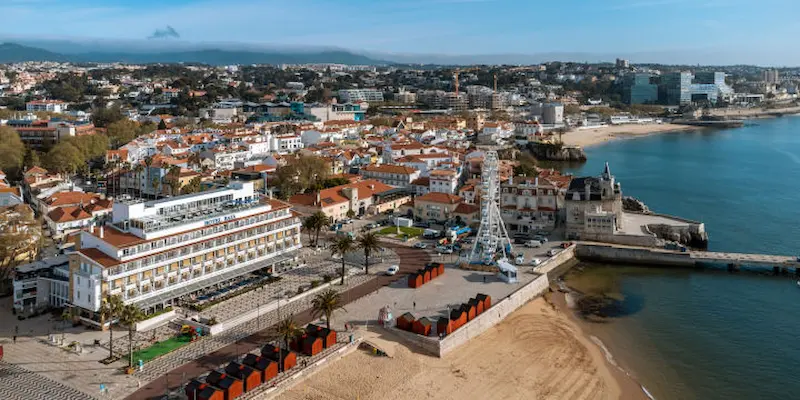
Table of Contents
1. Have pastéis de nata at Pastéis de Belém
No trip to Lisbon is complete without sinking your teeth into a warm, flaky pastel de nata. The original version was created by Pastéis de Belém, a bakery that has been in business since 1837. Dust it with cinnamon and powdered sugar, order a bica (espresso) to go with it, and take your seat in the gorgeous blue-tiled interior. Every single morning, locals line up here — and for very good reason.

2. Is there something to drink, such as ginjinha, in a chocolate cup?
Yes, there is! Ginjinha is a sweet cherry liqueur served in Lisbon since the 1840s. Go to a small kiosk near Rossio Square, ask for your ginjinha “com elas” (the cherries), and you’ll get it served in an edible chocolate cup. It costs hardly a euro, takes thirty seconds to consume, and is one of the most authentically Lisbon experiences you’ll ever have.
3. Explore Time Out Market Lisboa
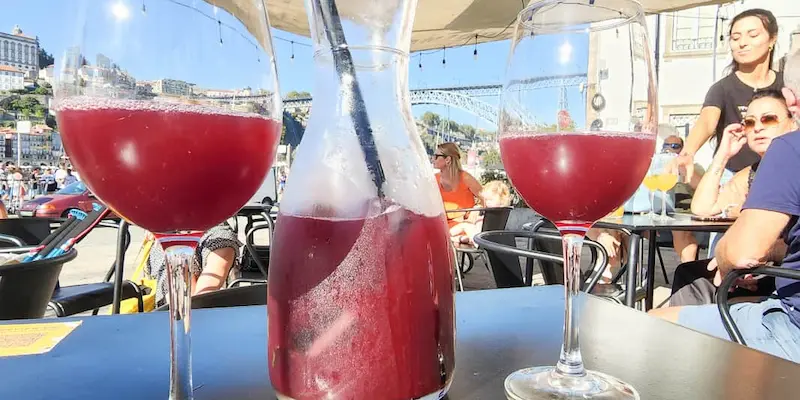
Opened in 2014 in the historic Mercado da Ribeira, Time Out Market Lisboa brings together more than 40 of the city’s top chefs and restaurants under one stunning vaulted roof. Everything from petiscos and fresh seafood to gelato and craft cocktails. But if you go at lunch and take your time sampling multiple stalls, you’ll beat the crowds that congregate here in the evening.
4. Snack on petiscos in Alfama
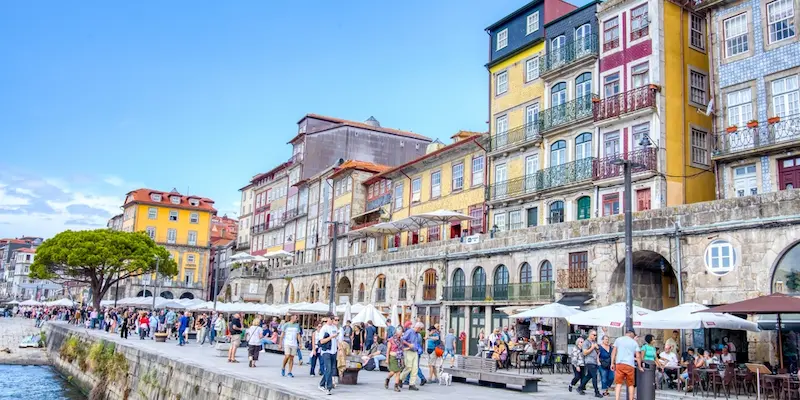
Petiscos are the Portuguese answer to tapas — small, sharing plates of raucous, seasonal flavours designed for eating slowly over cold wine and good company. Order grilled chouriço, cod croquettes, clams sautéed in garlic and white wine, and a slab of Serra da Estrela cheese. Most are full spreads for under €15 a person. It is the most communal way to dine in Lisbon.
5. Brunch at Janis Cafe
Janis Cafe has a devoted following among Lisbon’s brunch seekers for its colorful plates, laid-back plant-strewn vibe, and spots on the menu that change with the seasons. Look forward to well-sourced ingredients, great filter coffee, and the kind of lazy Saturday morning vibe that has you cancelling any other plans. This is definitely a place you want to book ahead for the weekends, as the tables fill up quickly.
6. Try Scoop n Dough doughnuts.
Scoop n Dough has become one of Lisbon’s buzziest sweet spots, serving handcrafted doughnuts stuffed with inventive fillings such as salted caramel, Nutella, and seasonal fruit curds. The line outside tells you all you need to know. Arrive early in the morning before the most popular flavours sell out — which they invariably do. One is never quite enough.
7. Fill up on grilled sardines off the streets
From June to September, the scent of charcoal-grilled sardines wafts through almost every street in Lisbon during the Festas de Lisboa. Pick up a paper plate from a street vendor, throw on a hunk of crusty bread, and pour yourself a glass of local wine as you join the locals celebrating Santo António. The most delicious, unpretentious, and convivial way to taste Lisbon at its liveliest.
8. Dine in Bairro Alto at night.
After dark, Bairro Alto turns into one of Lisbon’s most vibrant dining and nightlife districts. Its narrow streets teem with candlelit restaurants, wine bars, and traditional tascas that serve everything from slow-roasted duck rice to modern Portuguese fusion. It’s customary to start dinner late — 8 is a perfectly normal hour here — letting the night wind its way organically from plate to glass to the cobblestones beyond.
9. Take in the sunset at Miradouro da Graça
Colloquially known as Miradouro da Graça, this terrace has to be the best sunset lookout in Lisbon, with panoramic views of Alfama’s terracotta rooftops, the Tagus River, and the 25 de Abril Bridge peeking over it. Locals tote wine and sit on the low stone walls as the sky blazes orange and rose. It is entirely free, touching,g romantic, and one of the most beautiful things to see anywhere in Portugal.
10. Hike up São Jorge Castle at golden hour.
The Moorish castle atop Alfama hill has loomed over Lisbon for more than a millennium. You can walk its ancient ramparts late in the day when the walls shine amber, and peer out over the city below you in every direction. The castlegrounds are also home to peacocks, archaeological ruins,s and resident cats who have made themselves quite comfortable. Admission costs about €15 for adults.
11. Ride the Santa Justa Lift
Constructed in 1902 by a pupil of Gustave Eiffel, this decorative iron lift links the Baixa district with the space above, known as the Carmo neighbourhood. The top terrace offers a breathtaking rooftop-level vista that sweeps across Lisbon’s sea of red-tiled rooftops, church towers, and the glimmering Tagus in the distance. Access it cheaply with a Viva Viagem transport card as part of your usual travels around the city.
12. Watch the sunrise in Alfam.a
Get up early and walk to Largo das Portas do Sol before the city wakes with a racket. At dawn, the stones are deserted, the light soft and golden,d and below you, ou the whole neighbourhood of Alfama opens up in perfect, blissful silence. Grab a takeaway coffee, take a seat on the stone terrace, and watch as Lisbon gradually wakes up below you. It’s free, and it will be with you forever.
13. Walk along the Ribeira waterfront at sunset.
The Ribeira waterfront promenade runs from the sprawling Praça do Comércio to the party-mad Cais do Sodré. At twilight, the Tagus sparkles, street performers line the riverfront,nt and terrace bars fill with golden-hour revelers. It’s one of Lisbon’s great free pleasures, too — wide, walkable and endlessly lively at almost any time of year.
Save money: The Lisboa Card (from €21 for 24 hours) includes unlimited metro, tram, and bus journeys as well as free or reduced-price entrance to more than 80 museums and monuments. It pays for itself on the same day if you visit more than two paid attractions.
14. Visit Jerónimos Monastery in Belém
A late-Gothic masterpiece, the building is Portugal’s most famous and a UNESCO World Heritage Site. The intricate stone carvings that adorn every surface — ropes, armillary spheres, cora,l and maritime motifs — are breathtaking for their complexity and scale. Pillared to celebrate Vasco da Gama’s journey to India, it remains an enduring tribute to Portugal’s Age of Discovery. Entry is free on Sunday mornings until 2 pm.
16. Experience live fado in Alfam
Fado is the essence of Portugal: a plaintive, mournful style of music revolving around desire and loss, built on that untranslatable feeling called saudade. For the real deal, reserve a table at a small Alfama restaurant where the fadista sings just metres from your seat in an intimate space of no more than thirty people. Eat, drink, and let the music take you in ways you didn’t think possible.
17. Roam the cobbled alleyways of Mourari
Mouraria, which sits on the hillside below São Jorge Castle, is the oldest neighbourhood in Lisbon and the birthplace of fado. The streets are adorned with hand-painted azulejo tile panels depicting local legends and historical scenes. Meander without a map, finding playgrounds, squares, and murals, and family-run grocers that sell local wine and cheese. The neighborhood feels authentically lived-in, a place that demands slow, aimless wandering more than anything else.
18. Explore the National Tile Museum
The Museu Nacional do Azulejo is inside a beautiful 16th-century convent and follows 500 years of the country’s incredible tradition of tile-making. The piece de resistance is a 36-metre azulejo panorama of pre-earthquake Lisbon, from 1755, that survives in astonishing detail. The museum is one of the more underrated spots in Lisbon — not at all crowded, truly stunning, and nothing like what you’d find anywhere else.
19. Take a street art tour.
Lisbon has one of Europe’s most spirited street art scenes, with entire building facades turned into stunning large-scale murals by Portuguese and international artists. The neighbourhoods of Mouraria, Intendente, and the streets near LX Factory are the richest pickings. Take an organised walking tour with a local guide who can explain the stories and politics behind each piece or explore independently, with an app.
20. Visit the LX Factory (even better on a Sunday
LX Factory, a redesigned 19th-century textile complex in Alcântara that has been converted into independent bookshops, concept stores,s and restaurants alongside design studios and the popular Sunday market. With an exceedingly laid-back atmosphere, the market unites local food producers and artisanal craft makers with vintage clothing sellers and plant stalls. It’s bustling, inventive, and so Lisbon-esque — a wonderful way to spend a leisurely Sunday morning.
21. Visit the Torre de Belém
This 16th-century fortification, which towers over the edge of the Tagus River, is one of Portugal’s most recognizable monuments and a UNESCO World Heritage Site along with Jerónimos Monastery. Designed to protect the harbour at Lisbon, it melds Gothic and Manueline architecture in an immensely detailed fashion. Go early in the morning so you can skip any queues, photograph it from the riverside walk,k and go inside to see its chambers and gun room.
22. Wander Praça do Comércio
Lisbon’s grandest square spills directly into the Tagus River, its three sides framed by sweeping yellow arcades. Formerly the site of the royal palace, it now underpins the Baixa district and provides its most striking public space. Go under the Rua Augusta arch, visit the underground gallery below the square, have a coffee at a riverside table,e and get some sense of the scale of the place.
23. Flea market at Feira da Ladra
Taking place every Tuesday and Saturday at the Campo de Santa Clara, next to the São Vicente de Fora church of the same name, this is Lisbon’s oldest and most popular flea market. Stalls spill over with vintage furniture, old books, handmade jewellery, azulejo tiles, retro ceramics,s and the real deal. Get there early for the best finds, wear comfortable shoes — it’s pavement, but still nasty cobblestone — and bring cash: most vendors don’t accept cards.
24. Take Tram 28 through the Old Town
Tram 28 is the prettiest public transport route in town, snaking through the narrow streets of Chiado, Alfama, and Mouraria on a vintage yellow tram. It is both a tourist attraction and a working commuter route used by residents every day. Ride it from Martim Moniz to the end of the line at Campo Ourique for a different pace, and an unforgettable perspective, on the city.
25. Hire a GoCar self-guided tour.
GoCars are tiny, open-air GPS-operated vehicles that narrate a tour through Lisbon’s major sites as you navigate the city independently at your leisure. They are easy to operate, genuinely enjoyable to ride, and take the stress out of carrying a map in an unfamiliar city. Best for Couples or solo travellers who want the freedom of a self-guided tour without committing to a big group.
26. Take a boat trip on the Tagu
Seeing Lisbon from the water offers a whole other perspective of the city. River cruises leave frequently from the Praça do Comércio waterfront and take you past the 25 de Abril Bridge, the Cristo Rei statue, and the whole Belém waterfront. Sunset cruises with wine and live fado music are especially popular, selling out well in advance over the summer — so book very early.
27. Walk Chiado and Bairro Alto
Chiado is Lisbon’s stylish, literary neighbourhood, the home of Livraria Bertrand (the world’s oldest operating bookshop), independent boutiques, and Café A Brasileira, where Fernando Pessoa classically drank his coffee. Head uphill into Bairro Alto and the streets constrict, the bars proliferate, and Lisbon’s bohemian energy becomes inescapable. Best explored slowly on foot.
28. Day trip to Sintra
Sintra is Portugal’s most extraordinary day trip — a UNESCO World Heritage town 40 minutes from Lisbon by train, where fairy-tale palaces perch on wooded hilltops above the clouds. With its bright yellow and red towers, the Pena Palace is Portugal’s most photographed building. To avoid disappointment, book your tickets for the major monuments online at least a week ahead in spring and summer.
29. Go to Cascais for fresh seafood and beaches
Cascais is a picturesque seaside town located just 40 minutes away by train from the Cais do Sodré station, with whitewashed streets and plenty of good seafood restaurants, an adorable Old Town, and some of the most easily accessible Atlantic beaches close to Lisbon. In contrast, it has a more laid-back, easygoing rhythm than the capital and is an ideal half-day or full-day getaway. The seafood near the main promenade is uniformly superb and quite inexpensive.
30. Take a day trip to Óbidos
Óbidos is an immaculately preserved medieval walled town located just 80 minutes from Lisbon, where you can walk the entire circuit of ancient stone battlements and explore cobbled streets draped in bougainvillea, sipping ginjinha served in a chocolate cup, as is the local custom. More low profile and less touristy than Sintra, it’s a beautifully tranquil (and photogenic) alternative that rewards visitors willing to go a little more out of their way.

Frequently Asked Questions: Best Things to Do in Lisbon
What are some of the best free things to do in Lisbon?
The best things to do in Lisbon are overwhelmingly free of charge. The hilltop miradouros, wandering Alfama and Mouraria, the Ribeira waterfront paseo, the Praça do Comércio plaza, and most of the city’s beaches are all utterly free. Jerónimos Monastery is also free on Sunday mornings before 2 pm.
How many days should you spend in Lisbon?
Whilst it is possible to explore the very best things to do in Lisbon in 2 days, ideally you should spend at least 3 to 4 full days there if you want a more leisurely visit, which gives you time for the top sights, a day trip to Sintra or Cascais, and the opportunity to eat your way through the city properly, which arguably takes more time than any of those other endeavors.
How much does it cost to visit Lisbon?
Lisbon is one of the most affordable capital cities in Western Europe, especially relative to Paris, London, or Amsterdam. A pastéis de nata costs about €1.20, a meal in a local tasca seldom breaks the €15 mark, and there is great-value public transport. Prices have crept up in recent years, but the city still represents outstanding value for money across the board.
Which neighbourhood is best to stay in Lisbon?
First-time visitors: Chiado and Bairro Alto offer the best combination of central location, great restaurants,s and an easy walking distance to most major sights. Alfama is moodier and more authentic,c but hilly and trickier to navigate with later mobbed luggage. For boutique hotels and a more laid-back, residential feel, Príncipe Real.
When is the best time of year to visit Lisbon?
April through June and September through October are the ideal months to visit Lisbon. The weather is warm and sunny, and the city is busy but less so than in the peak summer months of July and August, while prices are also lower. Winter is mild for European standards and extremely cheap, though some coastal attractions keep shorter hours.
Final thought
Lisbon is the type of city that sneaks up on you and becomes your favourite city without you even noticing how it happened. From the first comforting pastel de nata to the last golden sunset on the Tagus, the best things to do in Lisbon are as much about emotion as they are sightseeing. Arrive with clear eyes, an empty stomach, and no firm plan whatsoever. Lisbon will handle the rest.