The Coldest Place in Portugal Will Take Your Breath Away
Published: 11 Mar 2026
Portugal is renowned for its warm Mediterranean climate, golden beaches, and sun-kissed summers. Yet hidden in the rugged highlands of central Portugal is a place that breaks every sun-soaked cliche — Gralheira. The coldest place in Portugal, this remote mountain village in the Serra de Freita range often endures the most extreme winter conditions of anyone on the entire Iberian Peninsula. If you have ever been curious to know about Portugal’s coldest city or the lowest temperature recorded in Lisbon, Portugal, brace yourself for the reason why Gralheira sits alone.
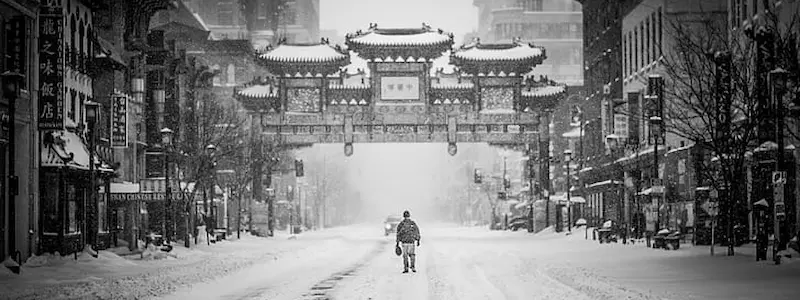
Table of Contents
Where is the coldest place in Portugal?
Gralheira is a village in the municipality of Vale de Cambra, Aveiro district, northern Portugal. Perched at an altitude of around 1,000 meters above sea level in the Serra de Freita mountain range, the small village is located far from the tourist paths that cross through Lisbon and Porto. Its geographic isolation and high elevation combine to provide the ideal conditions for vicious cold, copious snowfalls, and howling winds that can make it feel a lot colder than the thermometer indicates.
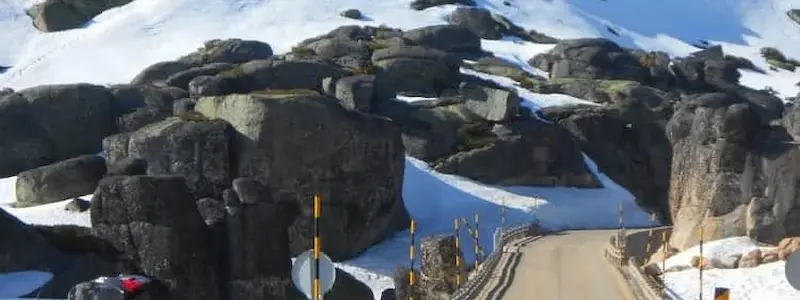
For many travelers seeking out the coldest places in Portugal, the answer would likely be found somewhere in the north or interior highlands — few could imagine just how extreme conditions become in Gralheira. Exposed moorland and granite ridges surround the village, funneling Atlantic storms directly into the settlement and removing any natural barrier the landscape may otherwise provide.
How Cold Does It Get in Gralheira?
Gralheira is no stranger to winter temperatures, which often dip well below zero, with absolute minima of -15 °C recorded during the coldest periods. Even on the average winter night, temperatures are only between -3°C and -6°C, making it a lot colder than anywhere along the Portuguese coast. Snow is more than just a seasonal oddity here — it can pile up to extraordinary depths, occasionally isolating the village from road access for days on end.
To make this somewhat more relatable, consider that even the coldest temperatures imaginable in Portugal’s capital city of Lisbon rarely dip below 4°C, not even on the coldest winter nights. Gralheira often has temperatures 10 to 15 degrees lower. Even among the coldest of Portugal’s urban centers — Bragança, Guarda, or such — Gralheira stands toe to toe as a legitimately Arctic-feeling place in the depths of winter.
Frost can develop as early as October and last well into April, and the actual winter season lasts from December through February. Ice on roadways, frozen water sources, and stubborn low cloud cover are quotidian realities for the scant few residents who endure the cold year-round.
Why is Gralheira So Cold?
Multiple factors contribute to making Gralheira the coldest place in Portugal. The altitude is the major contributor. This drop is even more pronounced at around 1,000 meters because temperatures are felt much lower on the coast and in the lowlands. For every 100 meters of elevation gain, air temperature notably drops about 0.6°C — meaning Gralheira’s peaks are down approximately 6°C below sea level before every other factor comes into play.
This effect is greatly magnified due to the exposed nature of the Serra de Freita plateau. There is no major topographic barrier to the west, so cold air masses from the Atlantic pour in freely and lose their moisture as snow or sleet when they ascend over the highlands. The result is a microclimate that has a genuinely sub-alpine feel, much more akin to the Pyrenees or the Swiss highlands than anything you’d associate with sunny Iberia.
Cold air drainage is another factor. During clear winter nights, dense cold air sinks off the surrounding ridges into the valley where Gralheira is located, producing a frost hollow effect that pushes temperatures lower than those of surrounding areas at a similar altitude. It’s behind a large number of the village’s record high and low temperatures.
What to Expect When Visiting Gralheira in Winter?
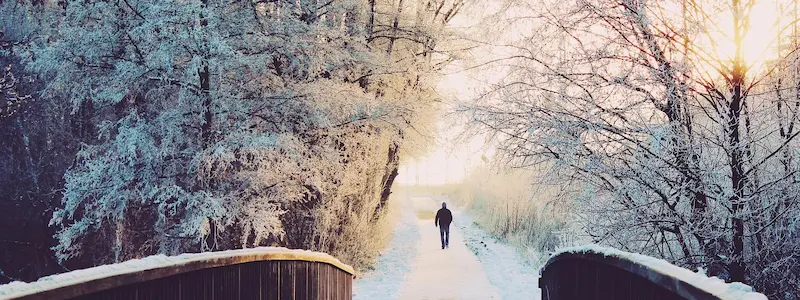
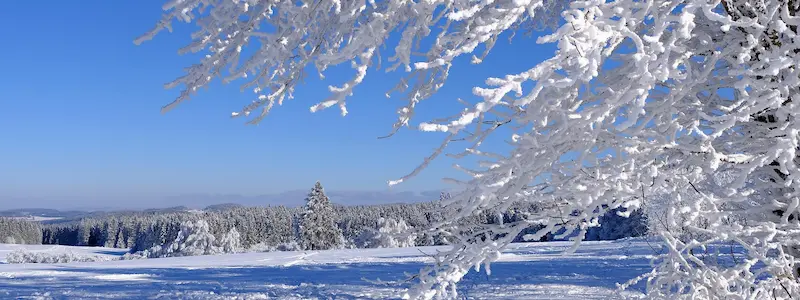
A winter visit to the Gralheira is unlike anything else that Portugal has to offer. The terrain becomes a stark snowscape of white moorland, frozen streams, and frost-encrusted granite boulders. The stillness is total — visitors cease to flit through the little village, leaving only wind across the plateau and an intermittent creak of frozen plant life.
Tourists should arrive ready for significant cold weather. Temperatures can drop suddenly and unpredictably, and mountain weather can change in minutes. A waterproof and windproof outer layer is crucial, as is solid footwear with ample grip for icy roads. Road conditions can change quickly, and it is advisable to check local weather forecasts before Saturday’s trip up the mountain roads that lead to the village.
That said, the incentive for pushing through the cold is phenomenal. Sunsets in winter over the snow-dappled Serra de Freita are spectacular, and on cold, still days the ferrules of air make for views that stretch many miles across the Aveiro lowlands and even towards the Atlantic coast on unusually clear mornings.
How Does Gralheira Stack Up Against Other Cold Places?
This article is about other cold places in Portugal. Bragança, which is in the region of Trás-os-Montes, is often cited as the actual coldest city of Portugal (as an inhabited urban centre). It has long and harsh continental winters, with temperatures constantly falling below 5°C, and snow is also common in the winter months. Bragança, however, enjoys greater shelter from its surrounding mountains.
Guarda, the highest city in Portugal at an elevation of 1,056 meters, is really cold and even has a name among locals to describe its notorious winds. The Torre peak in the Serra da Estrela, Portugal’s highest point at 1,993 meters, is colder yet, but it’s a mountaintop, not a community.
By contrast with all of these, Gralheira occupies a category of its own as a place where people are — or have been — able to live in truly extreme cold conditions. Moreover, its altitude, exposure, and frost hollow geography combine to arguably create the most consistently cold inhabited place in Portugal.
As for the coldest recorded temperature in Lisbon, Portugal, which is the capital and only about half an hour’s drive from Gralhierato, where you enter France? You could fit both locations into entirely different climatic worlds — being located near sea level with mild Atlantic temperature regimes that rarely venture below 4–5°C winters.
Why Visit Gralheira?
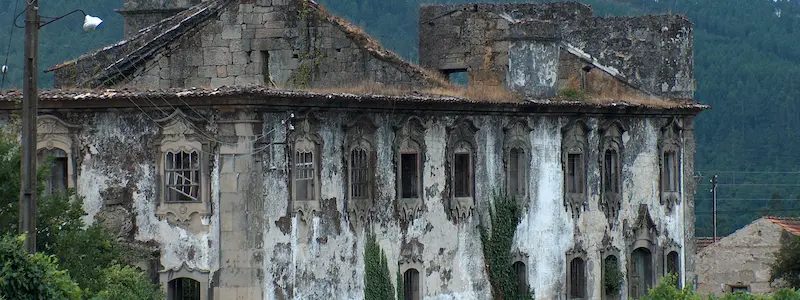
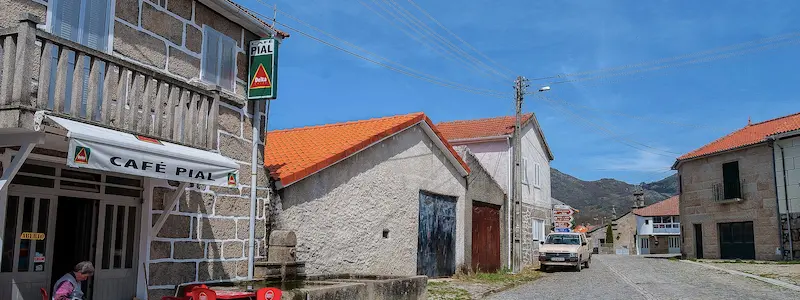
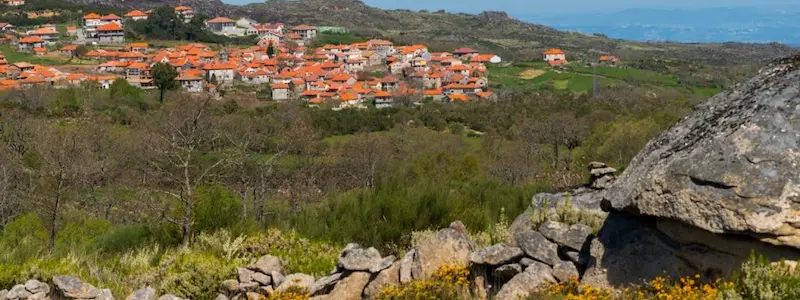
Gralheira, for all its meteorological fame as Portugal’s coldest place, offers a tantalizing sliver of life that is fading fast. The village and the wider Serra de Freita landscape are home to old stone architecture, traditional farming practices, and a wild, untamed beauty that stands in startling contrast with Portugal’s increasingly urbanized coastline.
Hikers and nature lovers flock to Serra de Freita, with its well-marked trails through heather moorland, along tumbling streams, and past vistas. Not too far from the Gralheira area is the Passadiços do Paiva — a popular boardwalk trail that runs along the Paiva River — making this region a good base for multi-day outdoor activities.
The region also has cultural and historical significance. Ancient stone settlements, Celtic hill forts, and Roman routes thread through the Serra de Freita, providing history lovers with a rich landscape to explore in concert with nature. Local gastronomy is a reflection of the cold climate and its rural heritage, with such warming, hearty dishes as caldo verde, roasted kid goat, and smoked meats keeping visitors cozy from within.
Best Time to Visit Gralheira
This is entirely dependent on the experience you are seeking, for those lured in by the sight of snow and the shallow but novel experience of Portugal’s hardest winter months, from December to February, offer what are likely to be your most memorable conditions. Snow is probable, the temperatures will truly test even well-prepared visitors, and the landscape has a hauntingly beautiful character.
Spring — especially April and May — is the time of year when moorland bursts forth in heather blooms, wildflowers blanket the slopes, and fresh air streams up from melting snow and flowing brooks. Temps are still pleasantly cool, so hiking is comfortable. Fall adds depths of russet and amber to the landscape, along with first-chill hints of what’s ahead for the cold season.
Summer is by far the easiest season for all visitors, with mild temperatures and skies full of sunshine and long days good for hiking and exploration. Even during summer, nights on the plateau can be unexpectedly chilly, so taking a light jacket is advised. Gralheira is a natural air-conditioned refuge from the coastal summer heat of Portugal for those on the run.
Frequently Asked Questions: coldest place in Portugal
Which is the coldest place in Portugal?
In Portuguese, the Serra de Freita mountain range is one of the coldest places found in Portugal, and also includes a remote highland village called Gralheira, which falls under the Vale de Cambra municipality. Its high elevation, exposed position, and frost hollow topography help create the harshest cold anywhere in the country.
What is the lowest temperature ever recorded in Portugal?
Portugal’s lowest temperatures on record have been reported in highland interior areas, including parts of the Serra da Estrela and Serra de Freita. Gralheira has recorded temperatures of and below -15°C during intense cold waves, making the site one of the most extreme cold weather locations in Portugal.
How cold does it get in Lisbon, Portugal?
With a temperate Atlantic climate, Lisbon almost never experiences temperatures under 4°C, and during the depths of winter, it has had some of its coldest recorded temperatures around 1–2°C on rare occasions, making it extremely mild compared to highland areas like Gralheira, which remain 10-15 degrees colder during peak winter cold.
What’s the coldest city in Portugal?
Most people agree that when it comes to proper urban centers, Bragança in Portugal’s far northeastern corner of all things Transmontano is the coldest city of Portugal, where temperatures in winter regularly fall below 5ºC, and actual snow showers are not uncommon. Guarda, at 1,056 meters, the highest city in Portugal, is also among its coldest. But neither can compare to the bone-chilling cold of a place like Gralheira.
Does Gralheira have snow?
Yes, snow falls here in Gralheira regularly every winter. In heavy years, snow can start to build in November and last through March or even April. Heavy snow can block roads to the village, and major winter storms often cover the ground with 30 cm of snow or more.
Is Gralheira a good destination in winter?
Indeed, for the right kind of traveler. The winter scenery in Gralheira provides a strikingly dramatic view of snowy moors, frozen streams, and crystalline air. Be as fully prepared with proper cold-weather gear supplies, check road conditions and travel advisories before heading out, stay in nearby accommodation if possible, with the flexibility to adjust plans if better or worse-than-expected weather hits.
What are other cold spots in Portugal besides Gralheira?
Other very cold regions of Portugal outside of Gralheira include the highlands of Serra da Estrela (which contains Torre, at 1,993 meters in elevation, Portugal’s highest point), Bragança in the northeastern interior, Guarda on its central highlands and Penhas Douradas — a region with weather station and resort area in Serra da Estela that often reports some of country’s lowest temperatures within official meteorological measurements.
Final Thought
Gralheira is the coldest spot in Portugal — a wild, remote highland settlement where winter temperatures drop to -15C and snow blankets the Serra de Freita in an entirely different vision of Portugal from the sun-soaked one most tourists know. While most cities and towns in Portugal enjoy mild winters and golden coastlines, Gralheira sits far outside that comfort zone, offering something raw, frozen and rarely seen. Whether compared to Lisbon or other well-known cold spots scattered across the country, Gralheira remains Portugal’s most extreme destination for a chilly stay. For travelers brave enough to embrace the cold, it is an unforgettable journey into a side of Portugal that few ever find.