Safest Places to Live in Portugal in 2026 — A Practical Guide for Expats and Retirees
Published: 8 Mar 2026
Portugal is among the safest countries in the world — it ranks 7th on the Global Peace Index, with a score of 1.371. Yet in a country that is already safe, some cities and towns have an above-average degree of peaceability about them, as well as a secure sense of community—the kind ideal for retirees, expats, or families looking for tranquility.
This guide deals exclusively with the safest places to live in Portugal — from major urban centers to sleepy Algarve towns and island communities — providing the honest, realistic information you need to help you determine which area is right for your lifestyle.
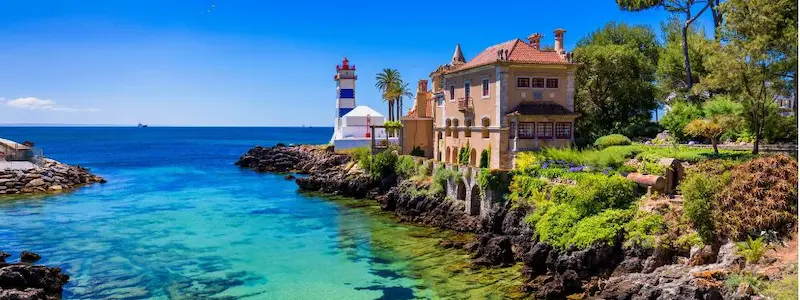
Table of Contents
Is Portugal Safe to Live in?
Yes — and by a significant margin. Portugal is one of the most peaceful countries in Europe, with violent crime rates far below the EU average. Day-to-day life in most Portuguese towns and cities feels genuinely relaxed: people walk at night, children play outdoors, and communities look out for each other.
The most common issue affecting residents and tourists alike is petty theft — pickpocketing in busy historic centres, crowded tram routes, and metro stations. This is especially relevant in Lisbon and Porto. Outside of those tourist hotspots, Portugal is remarkably trouble-free.
For retirees specifically, International Living ranks Portugal #1 on its list of the Safest Places to Retire, a reflection of what long-term expats consistently report: a calm, secure lifestyle that is hard to match elsewhere in Europe.
Safest Major Cities in Portugal
Portugal’s larger cities offer safety alongside the services, jobs, and culture that many people need. Here is an honest look at each one.

Lisbon: One of the Safest Places to Live in Portugal for Expats
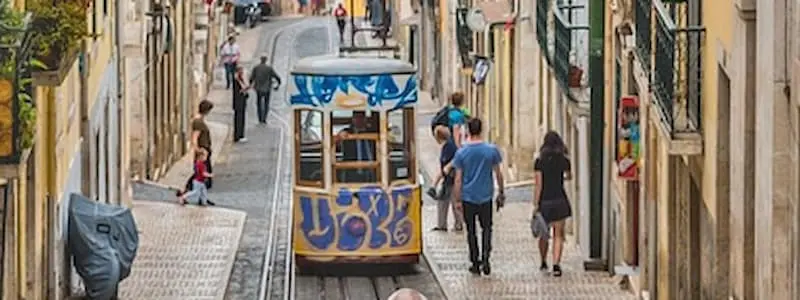
Portugal’s capital is busy, international, and generally very safe despite its size. Violent crime is rare in nearly all neighbourhoods. The main concern for residents and visitors is pickpocketing — particularly on tram 28, the Alfama viewpoints, and around Baixa’s busy pedestrian streets. Residential areas in the north and west of the city, including neighbourhoods like Alvalade and Belém, tend to feel especially calm after dark.
Porto: A Safe and Affordable City for Retirees
Porto is compact, walkable, and has a strong family and student atmosphere that contributes to its safe feel. Petty theft does occur around Ribeira, São Bento station, and the main bridges during peak tourist season, but most residents walk around comfortably during the day and in the early evening. Living slightly outside the historic centre — in Foz do Douro, Matosinhos, or Boavista — gives you city access with a quieter, more residential feel.

Braga
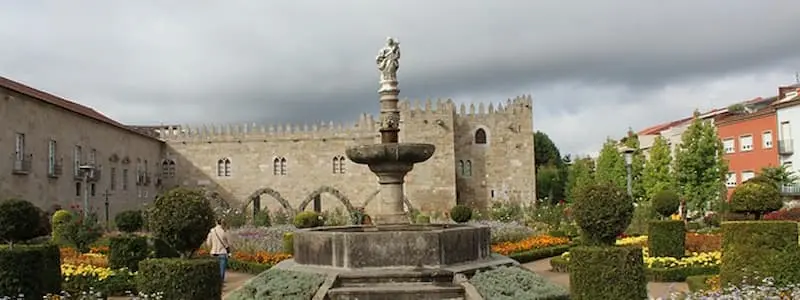
Braga is increasingly popular with expat families and remote workers — and for good reason. It has a large student population, a strong religious and cultural heritage, and streets that feel lively but rarely threatening. It is also significantly more affordable than Lisbon or Porto, with one-bedroom apartments available from around €600–€900 per month. Many families with children appreciate the combination of safety, green parks, and shorter commutes.
Coimbra
Home to one of Europe’s oldest universities, Coimbra has a youthful, friendly character. Most neighbourhoods are quiet and safe, with nightlife centered on student bars rather than large clubs. Once you step away from the old town hills, the city settles into a calm, residential rhythm that suits families and older residents well.

Safest Island Cities in Portugal: Madeira & the Azores
Funchal, Madeira
Funchal is small enough to feel personal, with low reported crime and a tight-knit local community. The seafront and market areas can get busy when cruise ships arrive, but serious incidents are rare. Most residents — including a growing number of digital nomads and retirees — describe daily life as relaxed and very safe. The subtropical climate and year-round warmth add to its strong appeal.

Ponta Delgada, São Miguel — Açores
Ponta Delgada feels even quieter than mainland Portugal. Community ties are strong, crime is minimal, and the pace of life is genuinely unhurried. The main trade-off is relative isolation — fewer services, fewer flight connections, and a smaller expat scene. For those who want deep tranquillity and stunning natural landscapes, however, it is hard to beat.
Smaller Safe Cities and Towns Worth Considering in Portugal
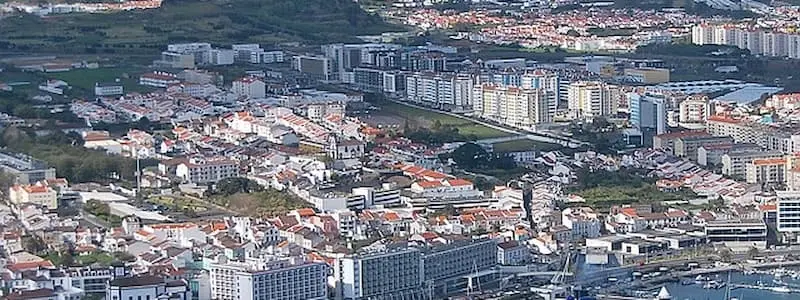
And quite apart from the largest cities, there are a host of smaller towns that keep cropping up in any discussions about safe, low-cost living.
- Aveiro — A friendly, manageable-in-size city with lovely canals and Art Nouveau architecture, Aveiro has its share of families and remote workers becoming part of the growing expat community. Practical appeal is maximized with nearby beaches and strong transport connections.
- Guarda — Inland and at higher altitude, Guarda has cooler winters but quiet streets and very low crime. It suits people who value space, historic architecture, and a traditional way of life.
- Bragança — A quiet city near natural parks in the northeast, Bragança draws people who prefer countryside views and local markets over city buzz. Crime levels are notably low.
Safest Places to Live in the Algarve
The Algarve is generally a safe region, but some resort towns get noisy and crowded in high season. If you want somewhere that stays calm and secure year-round, these towns consistently stand out.
Tavira — The Safest Town in the Algarve
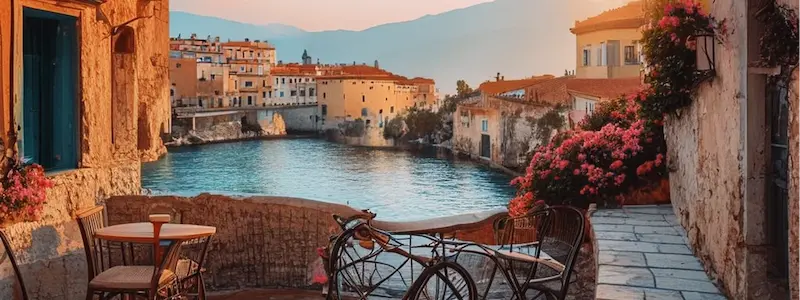
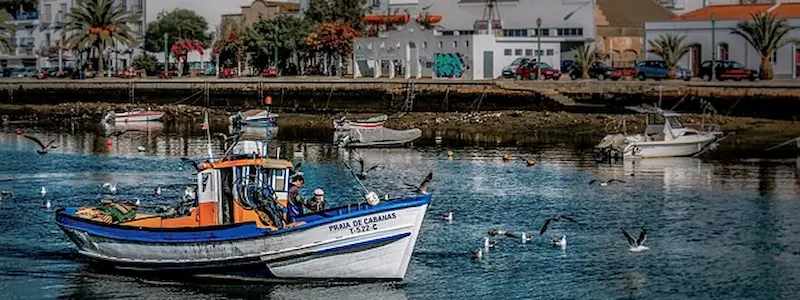
Tavira is the name that comes up most consistently when people ask about safe, authentic Algarve living. It has a beautifully preserved historic centre, a calm riverfront, and access to the protected Ria Formosa natural park. Unlike Albufeira or Portimão, Tavira has a strong year-round community rather than a purely seasonal crowd. Families are out late into summer evenings in the old town, crime is limited to very low-level issues, and access to health services is reasonable. For retirees and remote workers, it strikes an ideal balance.
Other Safe Algarve Towns to Consider
- Lagos — Historic streets, a marina, and a dramatic coastline. Busy in summer but calm in residential pockets year-round.
- Loulé — An inland market town with a more local feel, better suited to year-round living than resort life.
- Aljezur — A small, low-crime community on the west coast, popular with surfers and nature lovers who want very little urban noise.
- Vila Real de Santo António — A border town with a quiet central square, riverside walks, and easy access to Spain.
Areas to Be Aware of Before Moving to Portugal
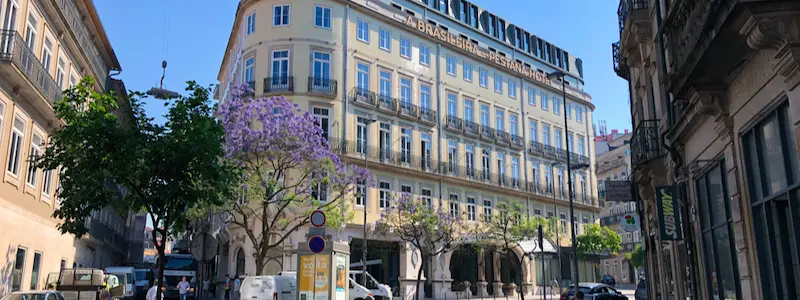
Portugal does not have large no-go zones in the way some countries do. There are, however, specific situations where extra awareness makes sense.
- Lisbon’s tram 28 and Alfama viewpoints — the most pickpocket-prone spots in the country. Keep bags in front of you and avoid obvious displays of valuables.
- Bairro Alto and Cais do Sodré in Lisbon are lively nightlife areas where alcohol-related incidents increase late at night.
- Albufeira’s resort strip in the Algarve is rowdy in summer and not representative of the region’s generally calm character.
- Atlantic beaches with strong currents — always check lifeguard flags. A red flag means do not enter the water.

How to Choose the Safest Place to Live in Portugal for Your Lifestyle
When it comes to safety in Portugal, the crime stats are only part of the story. When thinking through locations, evaluate these practicalities:
- Access to healthcare — How close are you to a hospital, clinic, or emergency services? This is particularly important for retirees and older residents.
- Street feel after dark — Walk around the neighbourhoods you’ve put on your shortlist in the evening before making a decision. Good lighting and busy streets count for a lot.
- Community — Active local associations, neighbourhood cafés, and a lived-in feel all contribute to a sense of security.
- Environmental risks — Some inland areas face wildfire risk in summer; some riverside towns have seasonal flood risks. Research the specific location, not just the region.

Frequently Asked Questions
What is the safest city in Portugal?
Cascais, Braga, and Aveiro consistently rank as the safest cities for daily living, while Tavira leads in the Algarve. The right choice depends on your lifestyle preferences, budget, and whether you want urban amenities or a quieter pace.
Is the Algarve safe to live in year-round?
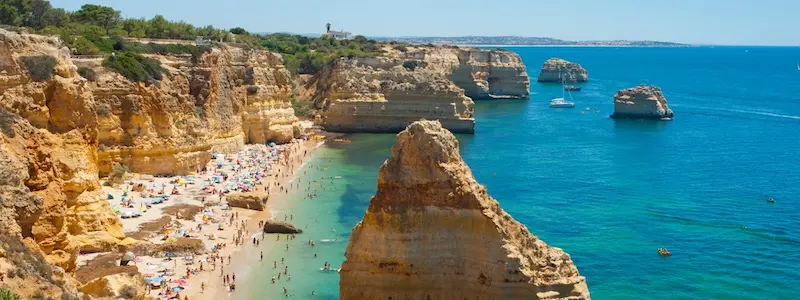
Yes. Towns like Tavira, Lagos, and Loulé maintain a calm, safe atmosphere throughout the year. The noisier resort areas settle down significantly after the summer season ends in September.
Is Portugal safe for solo female travelers and residents?
Portugal is widely regarded as one of Europe’s most welcoming countries for solo female travelers and residents. Harassment is uncommon, and most women report feeling comfortable walking alone during the day and in the evening in residential areas.
What Should I Watch Out for When Moving to Portugal?
Petty theft in crowded tourist areas is the main concern — particularly in Lisbon and Porto. Elsewhere in the country, risks are minimal. On the Atlantic coast, always respect beach safety flags, as currents can be strong.
Final Thoughts: Finding Your Safest Home in Portugal
Safety here is not an abstract number in a headline; it’s something you feel in the slow pace of the day-to-day, in neighbors who keep an eye on each other and towns where children play outside until night falls. Whether you are drawn to the culture and energy of Lisbon, the laid-back charm of Tavira, or the island calm of Funchal, you are choosing a country that genuinely earns its reputation as one of Europe’s safest places to live.
The best approach: shortlist two or three locations, spend at least a month in each before committing, and talk to people who already live there. Portugal rewards that kind of patience.